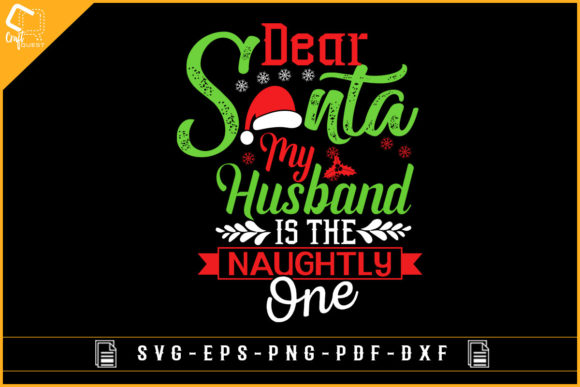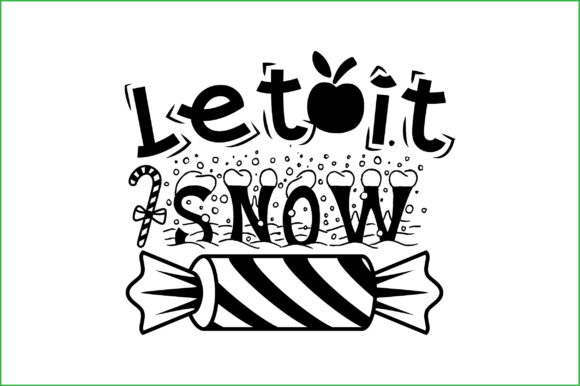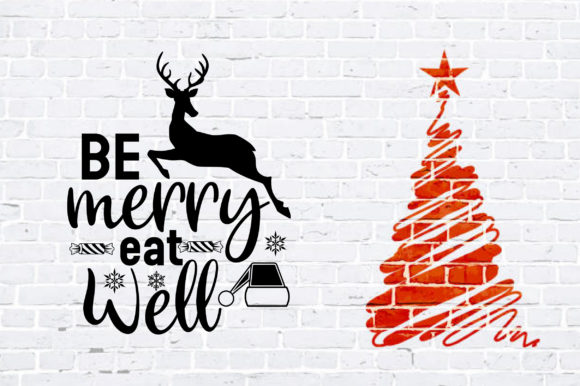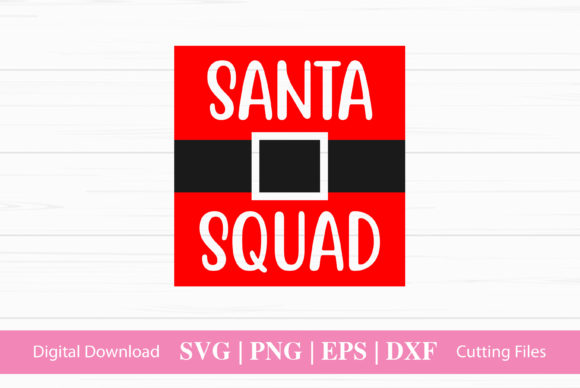
Christmas Santa Funny Illustrations Embroidery Review
As a designer who spends more time staring at stitch patterns than sleeping, I have learned to be skeptical of every new file that lands in my inbox. We are all bombarded with thousands of "cute" and "festive" designs, but very few actually hold up when the needle starts moving. Today, I am putting Christmas Santa Funny Illustrations through its paces. This isn't just about looking pretty on a screen; it is about how this graphic translates into thread, fabric, and ultimately, a product that people will want to buy or wear.
The market for holiday embroidery is saturated. To stand out as an Etsy seller or a boutique owner, you need designs that offer personality without sacrificing technical integrity. My review focuses on whether this specific design asset can survive the transition from digital mockup to physical finished product, particularly for craft business owners and serious hobbyists.
First Impressions: Personality Meets Practicality
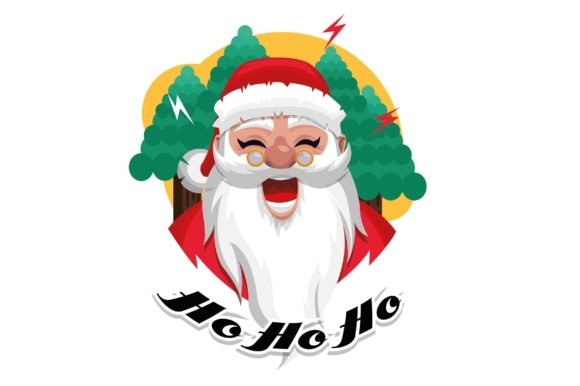
When I first loaded the Christmas Santa Funny Illustrations file into my digitizing software, the immediate takeaway was its clear visual hierarchy. The mood is lighthearted and humorous, which is exactly what consumers are gravitating toward during the holiday season. People are tired of traditional, stiff depictions of Santa Claus. They want something that makes them smile, something that feels approachable and modern.
From a design perspective, the layout is clean. There is no unnecessary clutter that could lead to stitching issues later. The shapes are distinct, and the negative space is handled well. This is crucial for machine embroidery because too much intricate detail in small areas often results in a muddy, indistinct final look. Here, the illustration relies on strong outlines and bold character expressions rather than tiny, fragile details. This suggests that the design has been created with the end-user in mind, acknowledging that embroidery has physical limitations compared to printing.
Real-World Application: Where Does This Design Shine?
I believe this design has significant potential for commercial use, particularly in the realm of custom apparel and personalized gifts. Let’s look at a realistic scenario: preparing inventory for a local craft fair or launching a seasonal collection on your online store.
This embroidery project would work exceptionally well on heavyweight fabrics. Imagine this illustration stitched onto a thick cotton canvas tote bag design. The humor of the graphic pairs perfectly with the casual, utilitarian vibe of a tote. It becomes less of a decoration and more of a statement piece. Similarly, for sweatshirt embroidery, placing this design on the chest of a crewneck creates an instant focal point. The contrast between the soft fleece and the textured thread adds a layer of professionalism that print-on-demand services often lack.
Another strong candidate for this file is baby embroidery. Parents love buying unique, funny items for their little ones. A bodysuit or a burp cloth featuring Christmas Santa Funny Illustrations offers a fresh take on holiday gear. However, this requires careful attention to fabric texture and thread choice to ensure it remains gentle and visually soft for an infant.
For those running a small shop product line, this design also fits well into the category of kitchen textiles. An apron or a tea towel embroidered with this graphic brings warmth and humor to the home. It is a great addition to holiday gift sets, where buyers are looking for cohesive, thematic items. The versatility here allows you to create multiple listings—ranging from wearable items to home decor—using a single high-quality design asset.
Technical Considerations and Stitch Quality
No matter how cute a design looks, if it does not stitch well, it is useless to a professional. When evaluating machine embroidery design files, we must look at stitch density and structure. In this case, the illustration appears to balance satin stitches and fill stitches effectively. Satin stitches provide the crisp edges necessary for defining the character's features, while fill stitches add volume and color depth.
However, there are areas where caution is required. If you plan to use this on curved surfaces like caps or hats, you must ensure your hoop size matches the curvature of the garment. A flat lay mockup can be deceiving; seeing how the design wraps around a cap brim is essential to avoid distortion. Furthermore, check the small details. Are there any tiny triangles or thin lines that might break during stitching? For a custom apparel item, broken threads look amateurish. Test the design on scrap fabric first to inspect these micro-details.
Thread colors play a massive role in the success of this piece. Because the illustration is funny and illustrative, the thread palette needs to pop against the background fabric. On dark fabric, you will need bright, contrasting threads to maintain visibility. On light fabric, you have more freedom, but you must still ensure enough contrast so the design does not get lost. Always test your thread colors before committing to a production run.
Where to Use Carefully
While this design is robust, it is not invincible. There are specific scenarios where you should exercise restraint:
- Small Hoop Sizes: If the design is scaled down too much, fine details may become indistinguishable. Avoid using this on very small accessories unless you are confident in the clarity of the reduced scale.
- Stretchy Fabrics: Knits and stretchy materials require a proper stabilizer to prevent puckering. Without adequate support, the tension of the stitches can distort the fabric, ruining the symmetry of the illustration.
- Textured Fabrics: While linen or burlap can look charming, heavy textures can hide the definition of your stitches. This design works best on smooth to medium-texture fabrics where the thread can sit cleanly.
- Dense Stitch Areas: Ensure that the fill areas are not overly dense. Excessive density can make the fabric stiff and uncomfortable, especially for items like baby clothes or lightweight t-shirts.
Impact on Brand and Customer Trust
In the world of handmade products, presentation is everything. A well-executed embroidery job signals quality and care. When a customer receives a personalized gift or a boutique item featuring Christmas Santa Funny Illustrations, they are paying for the craftsmanship as much as the design itself. Clean stitches, precise alignment, and appropriate thread choices build brand consistency and trust.
Conversely, poor execution can damage your reputation. This is why testing is non-negotiable. Create printable mockups to visualize the design in different contexts, but always follow up with a physical sample. Check the back of the embroidery for neatness; a messy backing can indicate poor hooping or incorrect stabilizer choice. By ensuring your finished product meets high standards, you encourage repeat customers and positive reviews.
Final Verdict for Designers and Sellers
Christmas Santa Funny Illustrations is a solid addition to any library of digital embroidery files. It strikes a good balance between whimsical charm and technical feasibility. It is versatile enough for various applications, from tote bag design to holiday decor, making it a valuable tool for craft business owners looking to diversify their inventory.
Before incorporating this into your commercial workflow, remember to verify the licensing terms provided by the creator. Ensure you have the right to sell finished goods made from this file. Also, take the time to adjust the design settings in your software to match your specific machine capabilities. Adjusting stitch density or adding underlay stitches can significantly improve the outcome.
Ultimately, this design offers a fun, engaging aesthetic that resonates with modern holiday shoppers. By applying professional techniques and thoughtful product placement, you can transform this simple graphic into a standout item that drives sales and delights customers. Just remember: the magic happens in the details, both in the design and in the execution.